Blog
Travel tips, trekking guides, and stories from Nepal
AllCulture & HeritageFood & CuisineGear & PackingHidden GemsKathmandu ValleyPilgrimage & SpiritualPokhara & LakesSeasons & WeatherSolo TravelTravel TipsTrekking GuidesWildlife & Nature
Culture & Heritage
Ghandruk Village: Gateway to Annapurna with Gurung Heritage
Ghandruk is a picturesque Gurung village with slate-roofed stone houses, vibrant cultural traditions, and breathtaking close-up views of Annapurna South and Machhapuchhre.
Admin Sabthok-1 min read-
Culture & Heritage
Sindhuli Gadhi: The Fort Where Gurkhas Defeated the British
Sindhuli Gadhi is the historic fort where Gurkha soldiers defeated forces of the British East India Company in 1767 — a proud and defining moment in Nepalese military history.
1 min read-
Culture & Heritage
Nuwakot Durbar: The Seven-Story Fortress of Nepal's Unification
Nuwakot Durbar is a magnificent seven-story fortress that played a crucial role in the unification of Nepal. Its commanding hilltop position north of Kathmandu offers stunning views and deep history.
1 min read-
Culture & Heritage
Gorkha Durbar: The Birthplace of Modern Nepal
Gorkha Durbar is the historic hilltop palace and fortress from which King Prithvi Narayan Shah began the unification of Nepal. A site of profound national significance with spectacular mountain views.
1 min read-
Culture & Heritage
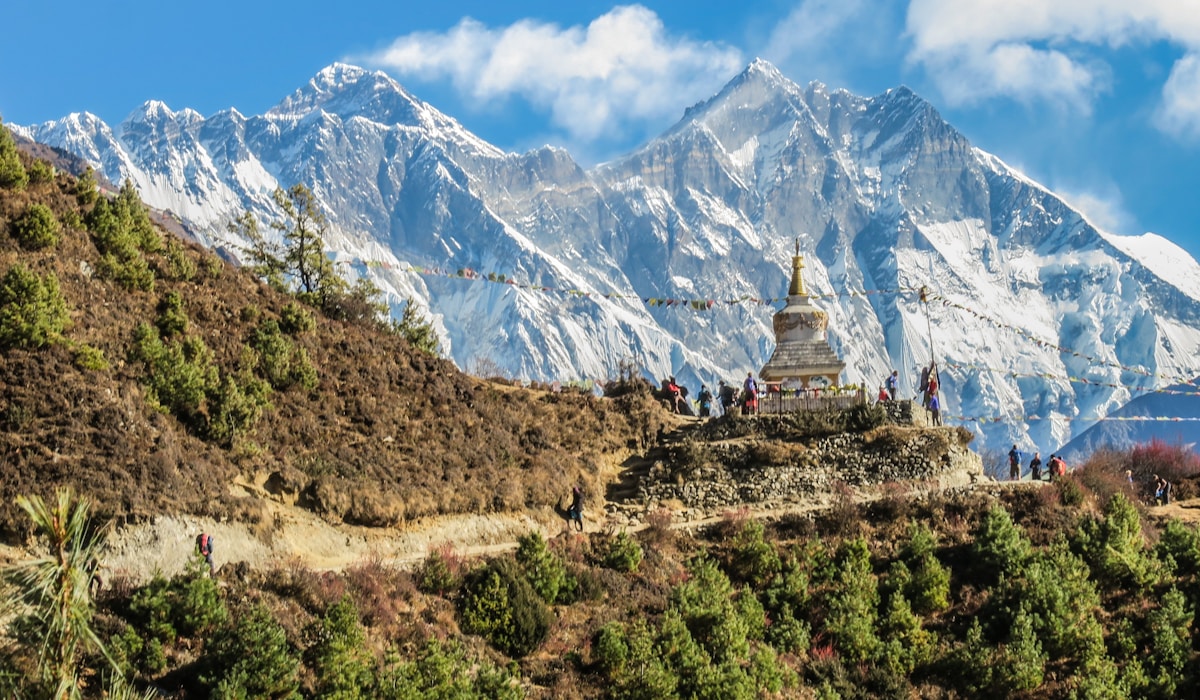
Nepal's Sacred Temples and Monasteries You Must Visit
From the golden stupa of Boudhanath to the cliffside monastery of Muktinath, explore Nepal's most awe-inspiring spiritual sites.
1 min read-
Culture & Heritage
Patan Durbar Square: Nepal's City of Fine Arts and Metalwork
Patan Durbar Square in Lalitpur is called the 'City of Fine Arts' for good reason — its metalwork, stone carvings, and courtyard museums are among the finest in South Asia.
2 min read-
Culture & Heritage
Namche Bazaar: The Sherpa Capital of the Khumbu
Namche Bazaar is the amphitheatre-shaped Sherpa capital at 3,440 metres — a bustling trading hub with mountain views, weekly markets, bakeries, and rich Sherpa culture in the heart of the Khumbu.
1 min read-
Culture & Heritage
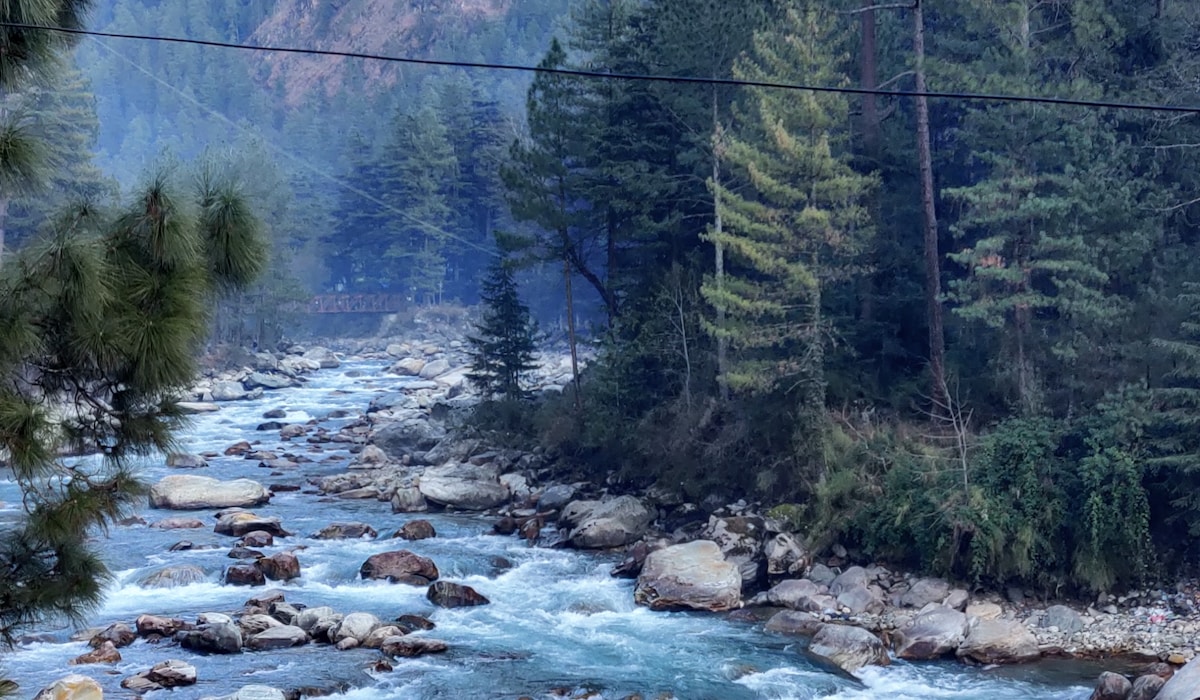
Nepal's Festival Calendar: When to Visit for Cultural Immersion
Nepal celebrates over 50 festivals a year. Here's a month-by-month guide to the most spectacular ones — from Dashain to Holi to Indra Jatra.
2 min read-
Culture & Heritage
Gurkha Memorial Museum Pokhara: Honouring the World's Bravest Soldiers
The Gurkha Memorial Museum in Pokhara pays tribute to the legendary bravery and history of Nepal's world-renowned Gurkha soldiers, whose motto is 'Better to die than be a coward.'
1 min read-
Culture & Heritage
Changu Narayan Temple: Nepal's Oldest Hindu Temple and Its Exquisite Art
Changu Narayan, perched on a ridge east of Kathmandu, is believed to be Nepal's oldest Hindu temple. Its 5th-century stone carvings and tranquil hilltop setting make it a must-see UNESCO treasure.
1 min read-
Culture & Heritage
Khumjung Village: Hillary's School and the Yeti Scalp Mystery
Khumjung is a traditional Sherpa village in the Everest region, famous for the school built by Sir Edmund Hillary and a monastery that claims to hold an authentic Yeti scalp.
1 min read-
Culture & Heritage
Bhaktapur Durbar Square: A Timeless Open-Air Museum of Newari Art
Bhaktapur Durbar Square is Nepal's best-preserved medieval city — an open-air museum of Newari architecture, woodcarving, and traditional pottery. Learn why travellers call it the crown jewel of the valley.
2 min read-
Culture & Heritage
Jumla and the Sinja Valley: Origin of the Nepali Language
Jumla and the Sinja Valley hold immense historical significance as the origin of the Nepali language and the seat of the ancient Khas Malla kingdom. A journey into Nepal's deep cultural roots.
1 min read-
Showing 1–13 of 13 posts