Nepal in Monsoon: Why the 'Off Season' Might Be the Best Season
Most tourists avoid Nepal's monsoon (June–September), but those who don't discover lush landscapes, zero crowds, and cultural festivals that define the country.
Admin Sabthok1 min read
Nepal in Monsoon: Why the 'Off Season' Might Be the Best Season
Most travel guides will tell you to avoid Nepal from June to September. They're wrong — or at least, they're not telling the whole story.
The Lush, Green Nepal Nobody Photographs
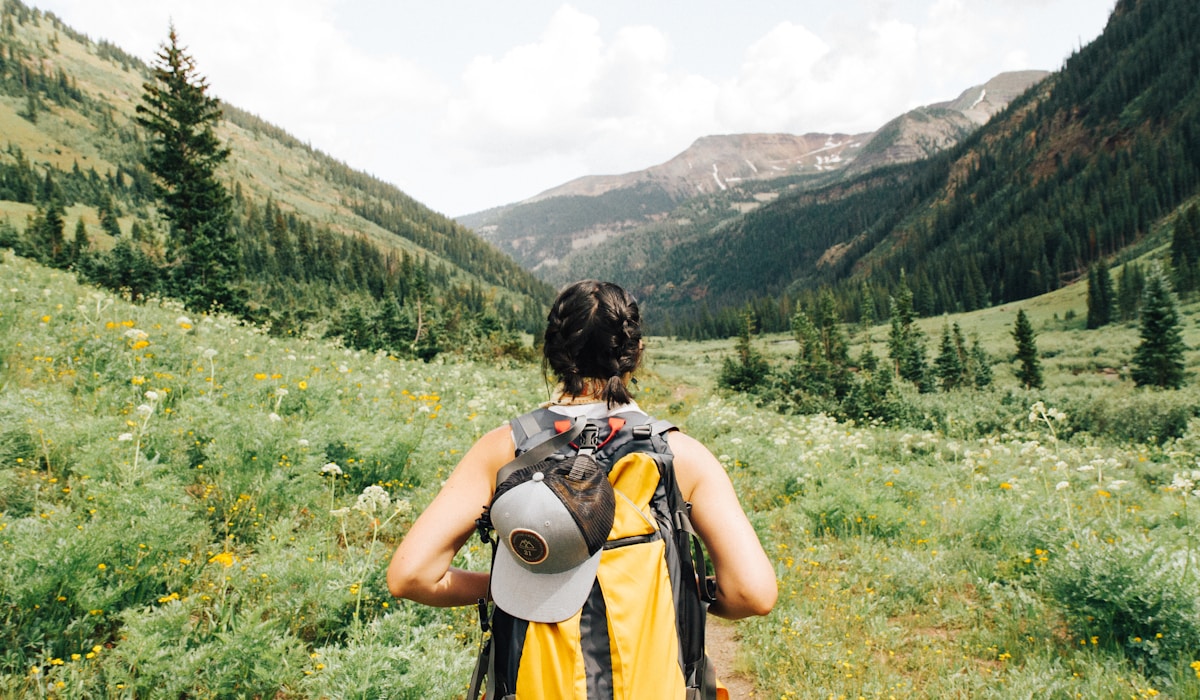
During monsoon, Nepal transforms into an emerald paradise. Terraced rice paddies glow neon green, waterfalls multiply tenfold, and the countryside comes alive in a way that the dry, dusty autumn never shows you. If you're a photographer, the monsoon clouds create dramatic lighting that's impossible to replicate.
Zero Crowds, Maximum Authenticity
While October and November see 40% of Nepal's annual tourists, monsoon months see single digits. You'll have Bhaktapur's medieval squares to yourself. Tea house owners on the Annapurna Circuit will sit and chat over dal bhat because there's no queue behind you.
Festival Season Begins
Monsoon is when Nepal's biggest festivals start. The rain is considered auspicious, and celebrations like Naga Panchami (snake worship), Janai Purnima (thread ceremony), and the build-up to Dashain give you cultural access no autumn tourist gets.
Where to Trek in Monsoon
Not all trails are created equal. Upper Mustang lies in a rain shadow and gets minimal precipitation — it's actually BETTER in monsoon. The Trans-Himalayan regions of Dolpo and Manaslu's north face are also viable. Avoid the Annapurna Sanctuary (leech hell) and lower Everest trails.
Practical Tips
- **Leech socks** are essential below 3,000m
- Rain usually falls in the afternoon/evening — mornings are often clear
- Bring fast-drying clothes and waterproof everything
- Domestic flights are more prone to delays — build buffer days
- Accommodation prices drop 30-50% across the board